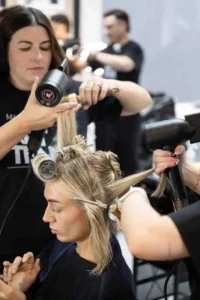
Curly Hair Care Tips for Every Type

Curly Hair Care Tips for Every Type
Curly hair care isn’t one-size-fits-all. From loose waves to tight coils, each curl pattern has unique needs when it comes to hydration, definition, and overall hair health. Understanding how to care for your curls properly can be the difference between frizz-prone, unpredictable hair and curls that are defined, soft, and full of life.
With curly hair care gaining more attention than ever in 2026, there’s also a lot of misinformation floating around. Many people struggle because they’re following routines that don’t suit their curl type, porosity, or lifestyle. This guide breaks down expert-backed curly hair care tips, explains how to build an effective curly hair routine, and helps you make smarter product and styling choices no matter your curl pattern.
Why Curly Hair Care Matters More Than You Think
Curly hair behaves differently from straight hair due to its structure. The twists and bends in curly strands make it harder for natural oils to travel from the scalp to the ends. This is why curls are naturally drier and more prone to breakage.
Without proper curly hair care, common issues appear quickly:
- Excessive frizz and dullness
- Dry, brittle ends
- Loss of curl definition
- Scalp irritation or buildup
A thoughtful approach to curly hair care helps maintain moisture balance, strengthens strands, and enhances your natural curl pattern rather than fighting it.
Understanding Your Curl Type and Hair Needs
Before building a curly hair routine, it’s essential to understand what type of curls you have and how your hair behaves.
Common Curl Types
- Type 2 (Wavy): Loose S-waves, prone to frizz and flat roots
- Type 3 (Curly): Defined spirals, needs moisture, and holds
- Type 4 (Coily): Tight coils or zig-zag patterns, highly moisture-dependent
Beyond curl type, factors like hair porosity, density, and thickness also play a major role. If you’re unsure where you fall, tools that help you diagnose your hair type can give you clarity and prevent wasted time and products.
Building a Curly Hair Routine That Actually Works
An effective curly hair routine focuses on cleansing gently, hydrating deeply, and styling strategically.
Step 1: Cleanse Without Stripping
Traditional shampoos can be too harsh for curls. Look for sulfate-free formulas that cleanse the scalp without removing essential oils. Using quality curl-defining products during wash days can help start curl definition early in the routine.
Step 2: Condition Every Wash
Conditioning is non-negotiable in curly hair care. It replenishes moisture, smooths the cuticle, and improves manageability.
Step 3: Deep Condition Regularly
A weekly or bi-weekly treatment like a curl hydration mask restores elasticity and combats dryness, especially for colour-treated or heat-styled curls.
Step 4: Style on Wet Hair
Curls form best when styled soaking wet. Apply your styling products using techniques like praying hands or scrunching to encourage definition.
Step 5: Seal and Protect
Finish with a lightweight oil or cream to seal moisture and protect curls throughout the day.
Essential Curly Hair Care Tips for Long-Term Results
Consistency and technique matter just as much as products. These curly hair tips are used by professionals and curl specialists worldwide.
- Detangle only when hair is wet and conditioned
- Use a microfiber towel or cotton T-shirt instead of terry cloth
- Avoid brushing dry curls
- Sleep on silk or satin pillowcases
- Refresh curls with water and product between wash days
Small changes like these can dramatically improve curl health over time.
Choosing the Right Products for Curly Hair Care
Not all products are curl-friendly. Ingredients and formulation matter.
What to Look For
- Humectants like glycerin and aloe
- Natural oils and butters for moisture
- Proteins for strength (used in balance)
A lightweight curl-defining cream works well for enhancing curl shape without weighing hair down, especially for medium to thick curls.
For added protection and moisture, incorporating a leave-in treatment can help reduce breakage and improve manageability throughout the day.
Common Curly Hair Care Mistakes to Avoid
Even with the best intentions, these mistakes can sabotage your curly hair routine:
- Overwashing curls
- Using too much heat without protection
- Layering incompatible products
- Skipping trims
- Following trends not suited to your curl type
Avoiding these pitfalls allows your curls to thrive naturally.
How Climate and Lifestyle Affect Curly Hair
Curly hair reacts strongly to environmental factors. Humidity can cause frizz, while dry climates can strip moisture. In 2026, more curl experts recommend seasonal routine adjustments:
- Lighter products in summer
- Richer creams and masks in winter
- Clarifying treatments every 4–6 weeks
Active lifestyles, swimming, and frequent styling also require extra care to maintain curl integrity.
When to Seek Professional Guidance
Sometimes, trial and error isn’t enough. Working with a curl specialist can save months of frustration. Booking a curl expert consultation helps identify your specific needs, from cut techniques to product selection, ensuring your curly hair care routine is tailored and effective.
Frequently Asked Questions About Curly Hair Care
How often should I wash curly hair?
Most curls benefit from washing 1–3 times per week, depending on scalp health and lifestyle.
Is curly hair care different for fine curls?
Yes. Fine curls need lighter products and less layering to avoid buildup.
Can I straighten my curls occasionally?
Yes, with proper heat protection and minimal frequency to avoid long-term damage.
What causes frizz even with good products?
Frizz often comes from lack of moisture, humidity, or product incompatibility rather than product quality alone.
Do I need different products for each season?
Adjusting your curly hair routine seasonally can significantly improve results.
Expert Takeaway: Mastering Curly Hair Care
Healthy curls come from understanding, not fighting your natural texture. Curly hair care is about balance: moisture without heaviness, definition without stiffness, and routines that fit your lifestyle. When you invest time in learning your curls, the payoff is hair that looks and feels its best every day.
If you’re ready to take your routine further, explore professional-grade products, get personalised advice, or book a consultation to unlock your curl potential.